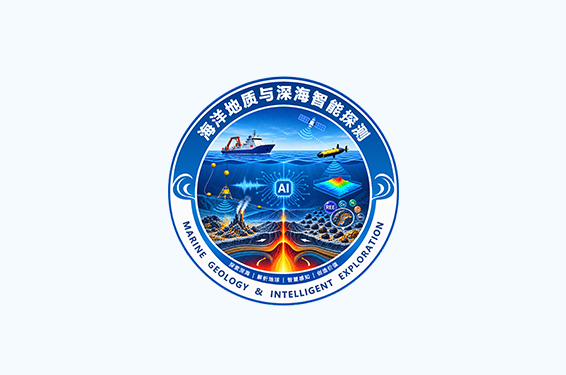
In alignment with the national strategic goal of building a maritime power, and closely following the core research directions of the Southern Marine Science and Engineering Guangdong Laboratory (Guangzhou), our team is dedicated to interdisciplinary research at the intersection of marine geological processes and deep-sea intelligent detection technologies. We focus on key areas including the deep dynamic evolution of ocean basins and marginal seas, mineralization of deep-sea rare earth elements and strategic metal resources, and intelligent detection of submarine geological processes. Our aim is to achieve internationally leading research in the field of marine geology and deep-sea intelligent detection.
1.Marine Geology and Geophysics
This direction centers on the material cycling within Earth’s multiple spheres and its resource-environmental effects. Key emphases include the formation and evolutionary processes of ocean basins and marginal seas and their deep dynamic mechanisms; submarine volcanism and its deep-seated mechanisms; and the cycling of key elements across spheres in the ocean and the formation of deep-sea critical metal resources. This research aims to provide a scientific theoretical foundation for understanding the evolution of oceanic lithosphere, the formation of a habitable Earth, the metallogenic regularities of deep-sea critical metals, and the sustainable exploitation of marine resources.
2.Marine Geophysics
By integrating multi-scale observational approaches such as Ocean Bottom Seismometers (OBS) and Distributed Acoustic Sensing (DAS), we aim to construct high-precision velocity structure and anisotropy models spanning from shallow sedimentary layers to the deep mantle. This will reveal the controlling mechanisms of dynamic processes like seafloor spreading, plate subduction, and deep mantle flow on the formation and evolution of ocean basins and marginal seas. Furthermore, we seek to elucidate the coupling relationships between deep dynamic processes, marine environmental evolution, and critical metal resource enrichment. We are also developing intelligent detection and monitoring technologies for submarine geological processes based on integrated DAS-OBS observations, providing theoretical foundations and key technological support for deep-sea resource exploration, marine disaster warning, and the construction of a transparent seabed.
3.Artificial Intelligence
This direction focuses on the deep integration of artificial intelligence and marine geosciences. Key research areas include intelligent imaging of deep structures and dynamic interpretation, intelligent prediction of deep-sea rare earth and strategic critical metal resources, correlation analysis between major geological events and critical metal enrichment, and intelligent identification and rapid early warning of submarine geological hazards. Our goal is to build an intelligent research framework that integrates deep process analysis, understanding of resource formation mechanisms, resource potential assessment, and marine environment and safety security, thereby providing scientific and technological support for theoretical innovation in marine science, exploration and development of deep-sea critical metal resources, and the national maritime strategy.

-
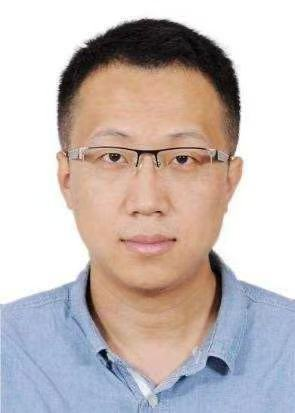 Special-term Associate Research ProfessorXiaolong MaSeismology and Physics of the Earth's Interior
-
 Special-term Associate Research ProfessorQiong WuHigh-Precision Chronostratigraphy and Major Geological Environmental Events
-
 Associate Research ProfessorZongqi ZouElemental and Isotope Geochemistry
-
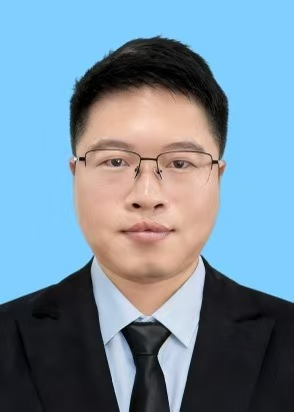 Associate Research ProfessorFan YangMarine Geology and Petrology
-
 Postdoctoral ResearcherZhuangsen WangDeep-sea REE Enrichment Mechanisms and Paleoenvironmental Evolution
-
 Postdoctoral ResearcherQiang MaRheology and Marine Geology
-
 Postdoctoral ResearcherXuran LiangSeismology; Artificial Intelligence and Big Data
