The Southern Marine Science and Engineering Guangdong Laboratory (Guangzhou) (Guangzhou Marine Laboratory) successfully organized a thematic event at the 2026 Global Conference on the International Decade of Sciences for Sustainable Development (IDSSD)at UNESCO Headquarters in Paris on 16 July.
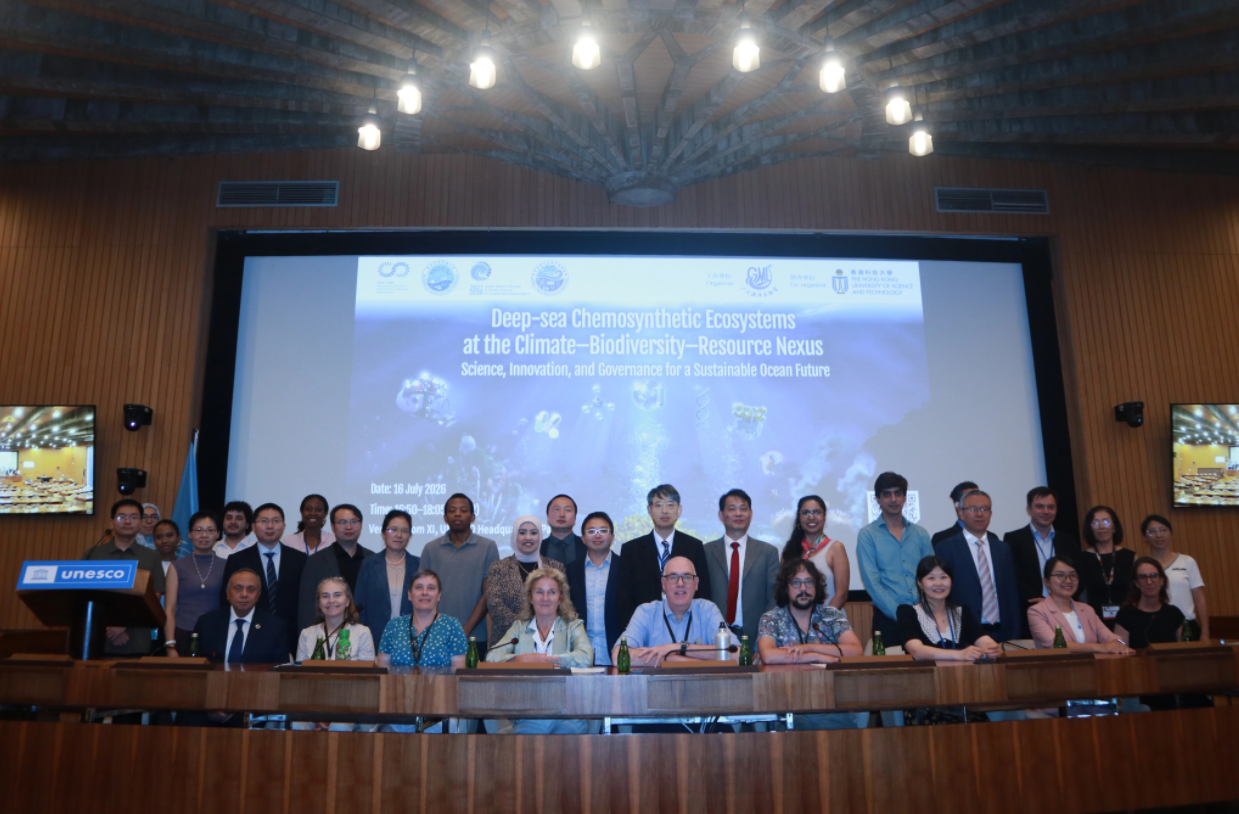
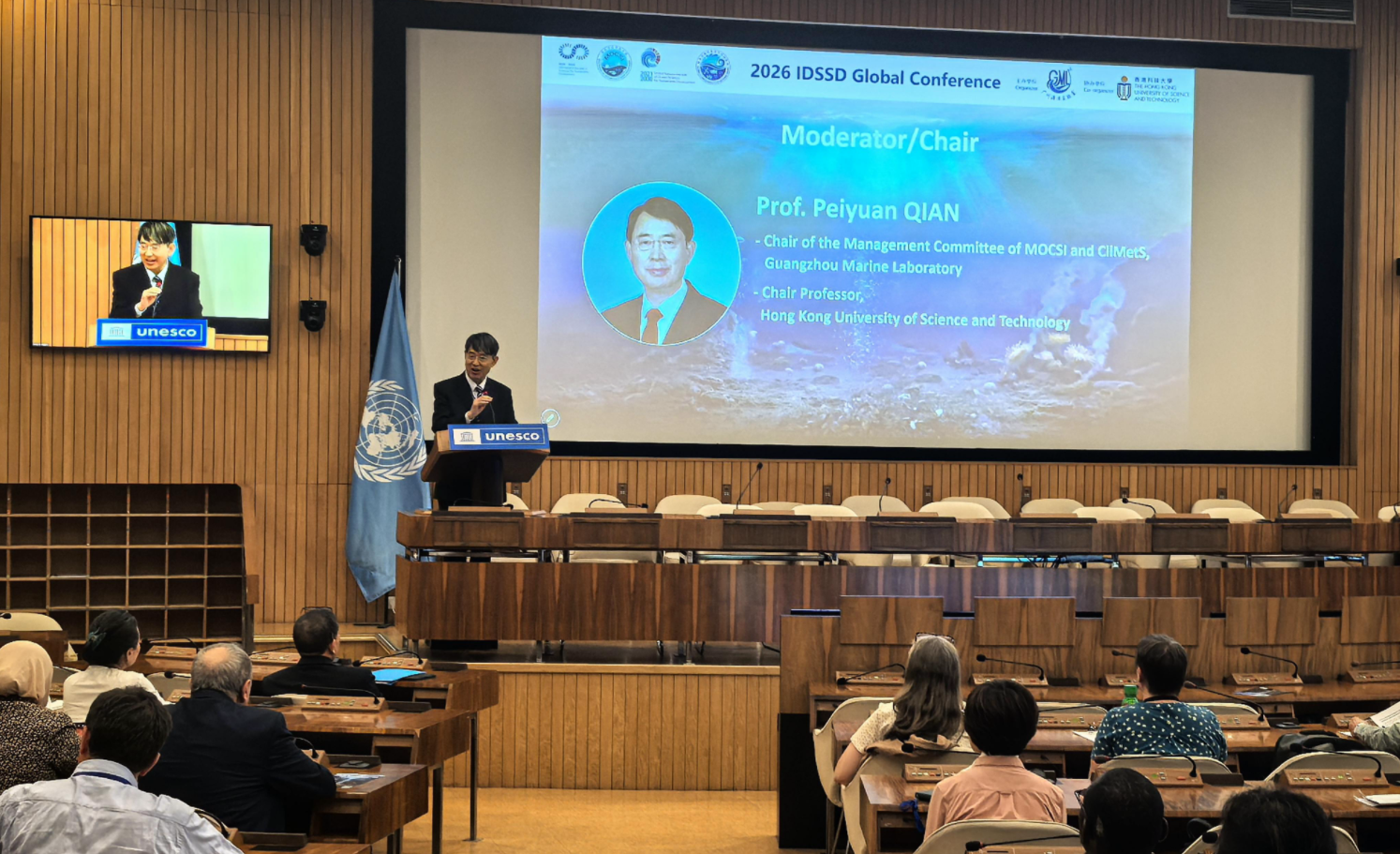
Titled “Deep-sea Chemosynthetic Ecosystems at the Climate-Biodiversity-Resource Nexus: Science, Innovation, and Governance for a Sustainable Ocean Future,” the thematic session adopted a hybrid format, attracting in person and online participation of more than 100 leading experts, scholars, and industry representatives from the global marine science community. The workshop was chaired by Prof. QIAN Peiyuan, Chair of the Management Committee of MOCSI and CliMetS at Guangzhou Marine Laboratory.
On behalf of Guangzhou Marine Laboratory, Professor Qian opened the event and extended a warm welcome to all distinguished guests and participants. He emphasized that chemosynthetic ecosystems in extreme deep-sea environments are closely linked to climate change, biodiversity, and sustainable resource utilization. Facing the shared challenges of deep-sea exploration, he called for the establishment of open and inclusive international cooperation, as well as the strengthening of multilateral collaboration and data sharing.
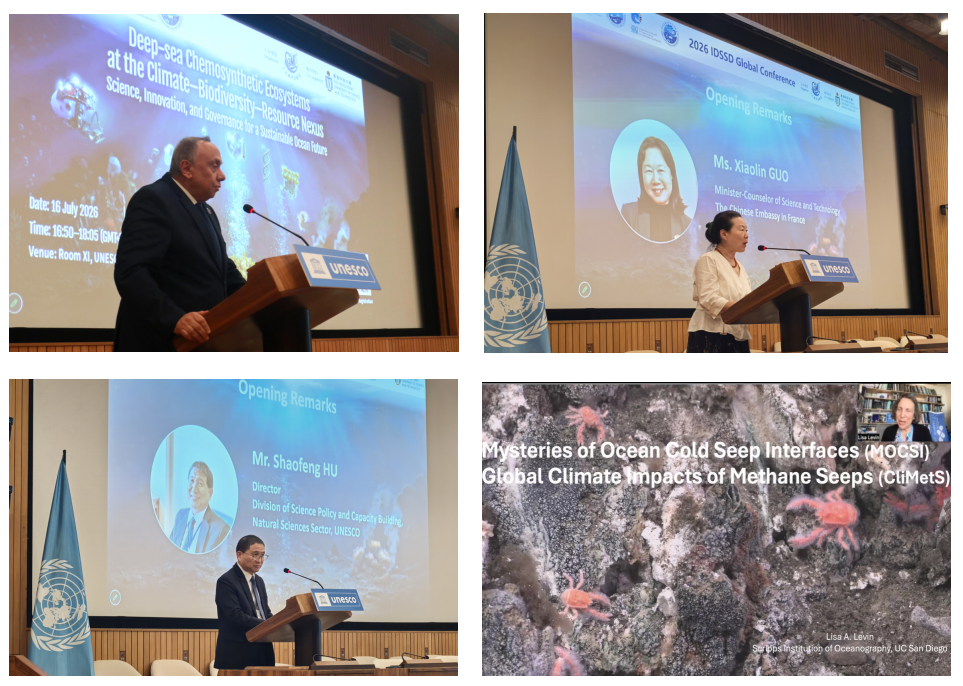
Prof. Amr Zakaria HAMOUDA, Vice-chairperson of the Intergovernmental Oceanographic Commission (IOC) of UNESCO; Ms. GUO Xiaolin, Minister-Counselor of Science and Technology of the Chinese Embassy in France; and Dr. HU Shaofeng, Directo of the Division of Science Policy and Capacity Building, Natural Sciences Sector of UNESCO, each delivered opening remarks. They jointly called on the global scientific community to build consensus, deepen cooperation in marine research, and contribute to the protection of deep-sea biodiversity, thereby providing strong scientific support for sustainable ocean use and global environmental governance. Professor Lisa Levin, Member of the U.S. National Academy of Sciences, delivered a keynote presentation on deep-sea cold seeps and hydrothermal chemosynthetic ecosystems. She elaborated on their unique environmental characteristics, distinctive biological communities, and intrinsic ecological and biotechnological value, while sharing the latest research advances and technological breakthroughs in this frontier field.
During the synthesis panellist presentation, renowned scholars from leading research institutions around the world presented cutting-edge research findings on topics including climate change mitigation, biodiversity conservation, sustainable use of genetic resources, environmental impact assessment, ocean governance, and biogeochemistry of cold seeps.
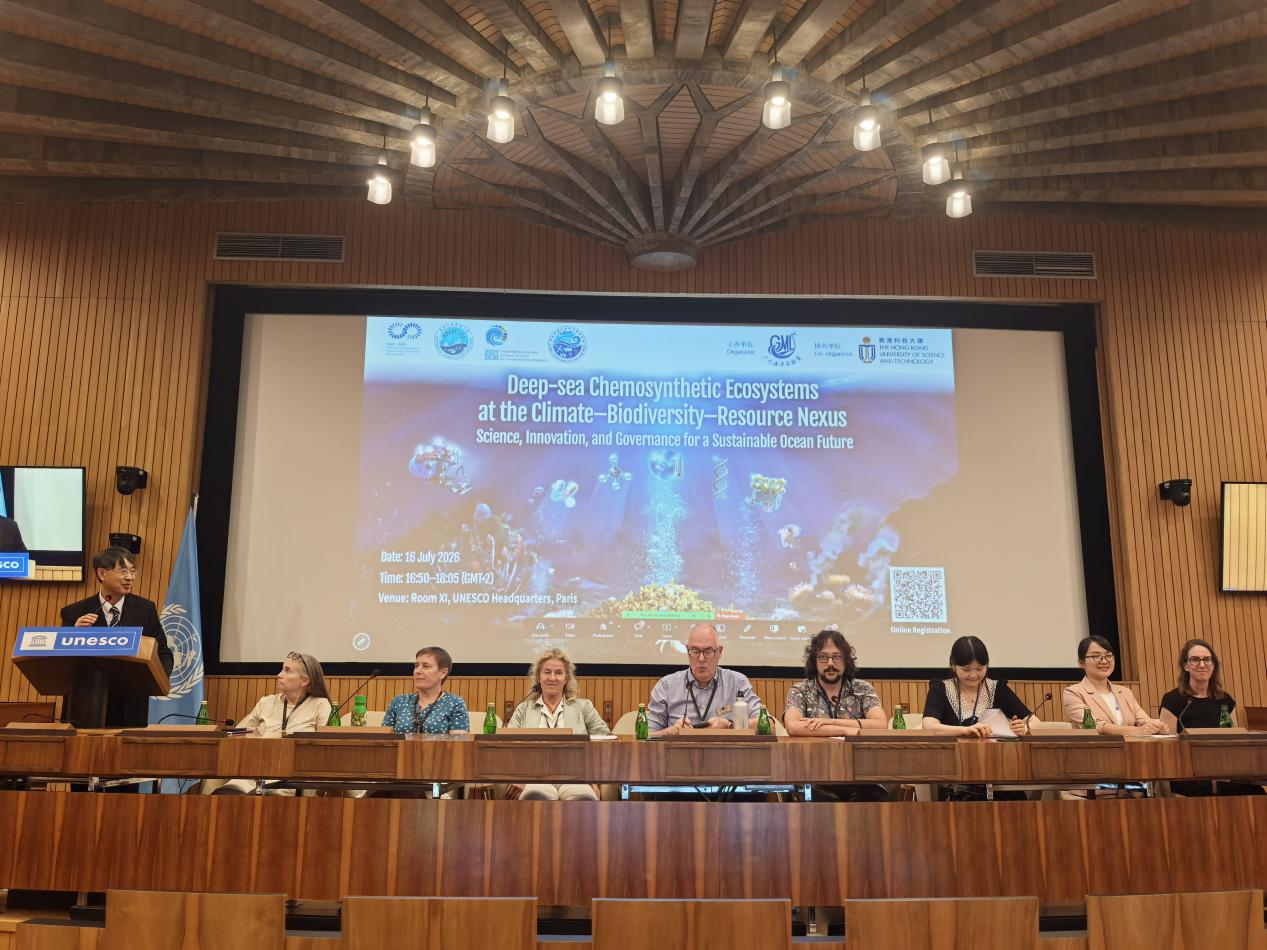
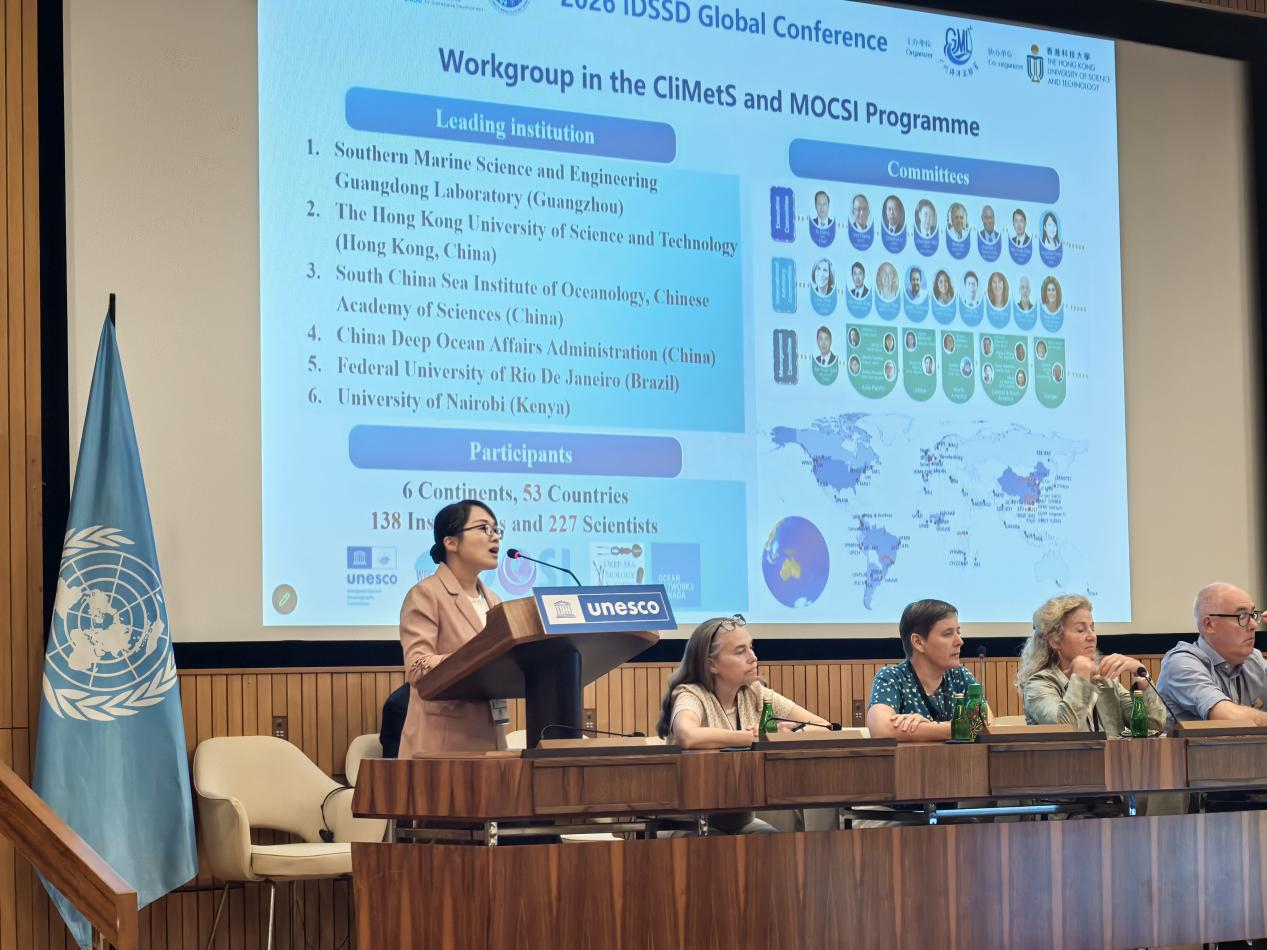
Professor FENG Jingchun, Secretary-General of the Secretariat of CliMetS and MOCSI Programmes and Chief Scientist of the MOCSI Programme, delivered a featured presentation introducing the scientific objectives and organizational framework of the two UNESCO-endorsed programmes led by Guangzhou Marine Laboratory. She reported significant progress in scientific research, public outreach, and international collaborations, expressing her hope to bring together global marine science communities through these initiatives and to advance cold seep research toward new breakthroughs.
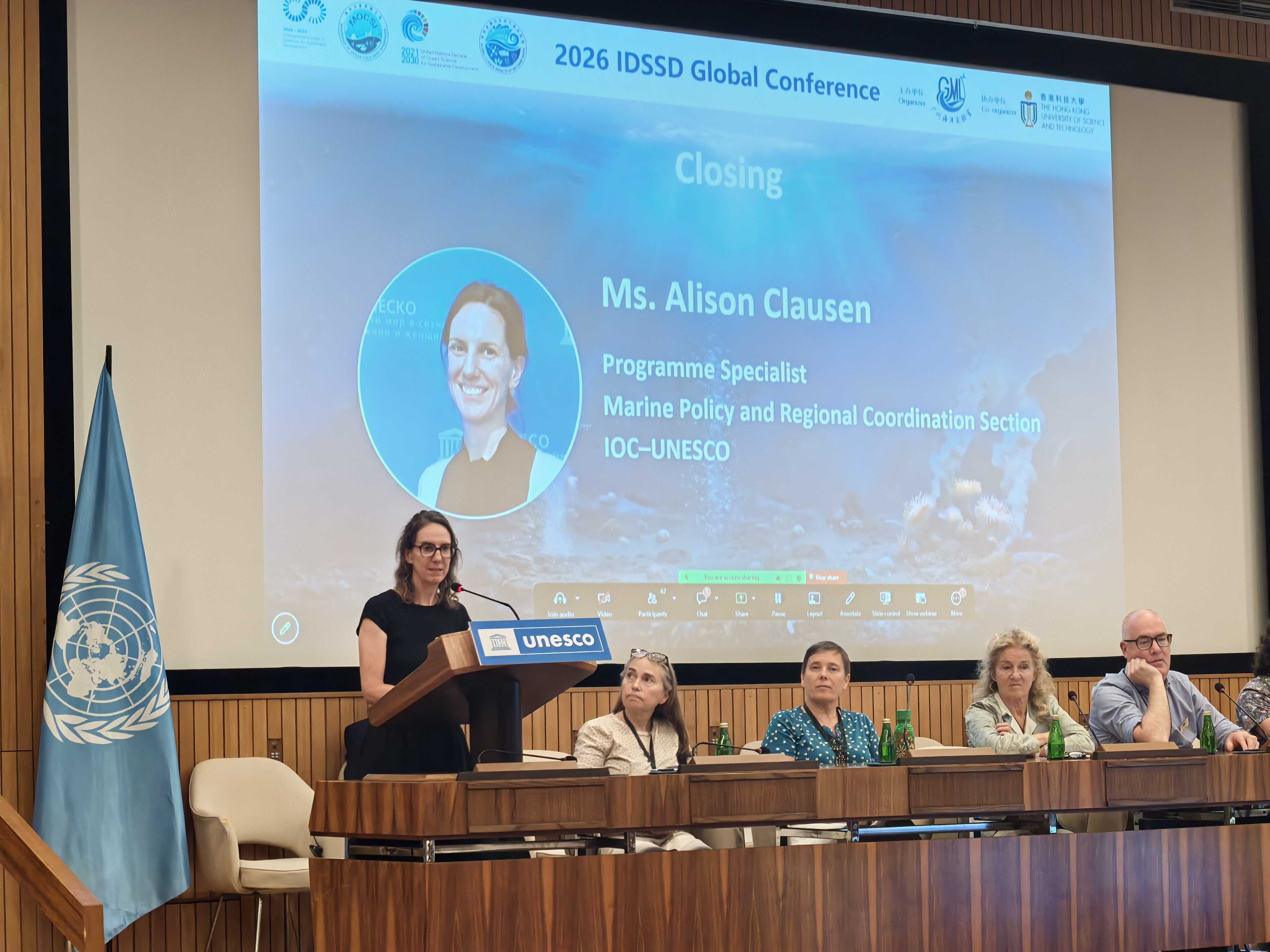
The event was closed by Ms. Alison Clausen, IOC-UNESCO Programme Specialist and Deputy Global Coordinator of the UN Decade of Ocean Science for Sustainable Development, highly recognized the fruitful outcomes of the thematic session. Building on this momentum, Guangzhou Marine Laboratory will actively expand its global collaboration network, participate in international ocean science governance, and contribute wisdom and strength to building a shared future for the ocean.
Attachment download:
