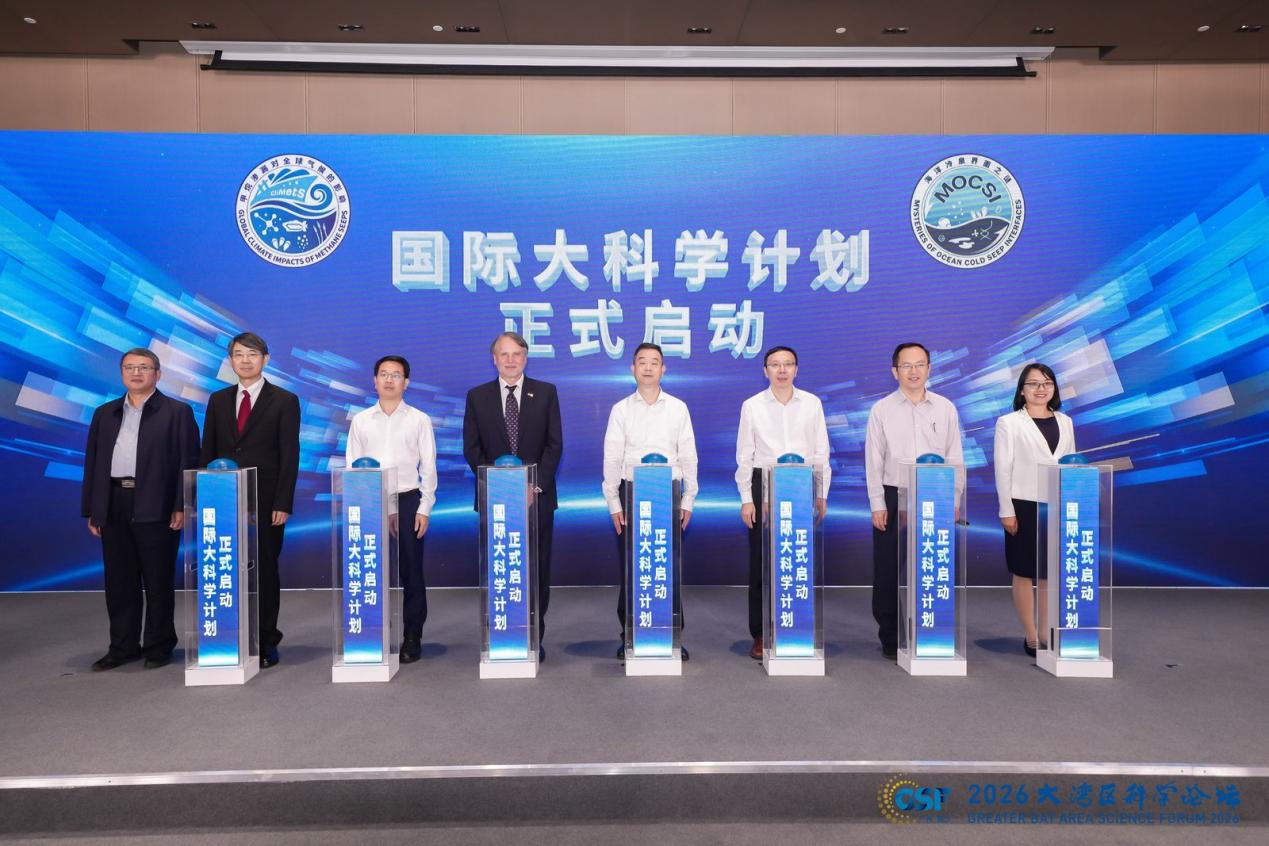
On October 31, the global launch ceremony of two UN Decade programmes—CliMetS (Global Climate Impacts of Methane Seeps), a UN "Ocean Decade" endorsed programme, and MOCSI (Mysteries of Ocean Cold Seep Interfaces), a UN "Science Decade" endorsed programme—both led by the Southern Marine Science and Engineering Guangdong Laboratory (Guangzhou) (hereinafter referred to as "the Laboratory"), was successfully held. Representatives from UNESCO, research institutions from multiple countries, and relevant domestic departments jointly witnessed this moment, marking a key step for China in its research on deep-sea cold seeps and their impacts on global climate change—from deep participation to international leadership.
At the ceremony, Professor Qian Peiyuan, Director of the Management Committee of the CliMetS and MOCSI programmes and Chief Scientist of CliMetS, and Professor Feng Jingchun, Chief Scientist of MOCSI, introduced the two programmes to the world and extended an invitation to the global community to engage in collaborative research on deep-sea cold seeps .Ibukun ADEWUMI,Head o f the UNESCO/IOC Sub Commission for Africa & the Adjacent Island States (IOCAFRICA) Secretariat, and Hu Shaofeng, Director of the Division of Science Policy and Basic Sciences within UNESCO's Natural Sciences Sector, delivered remarks at the launch ceremony, respectively, calling on the global scientific community to build consensus, deepen cooperation in marine scientific research, and jointly promote the construction of a more inclusive and equitable international deep-sea governance system, so as to provide scientific support for ocean sustainability and global environmental governance.
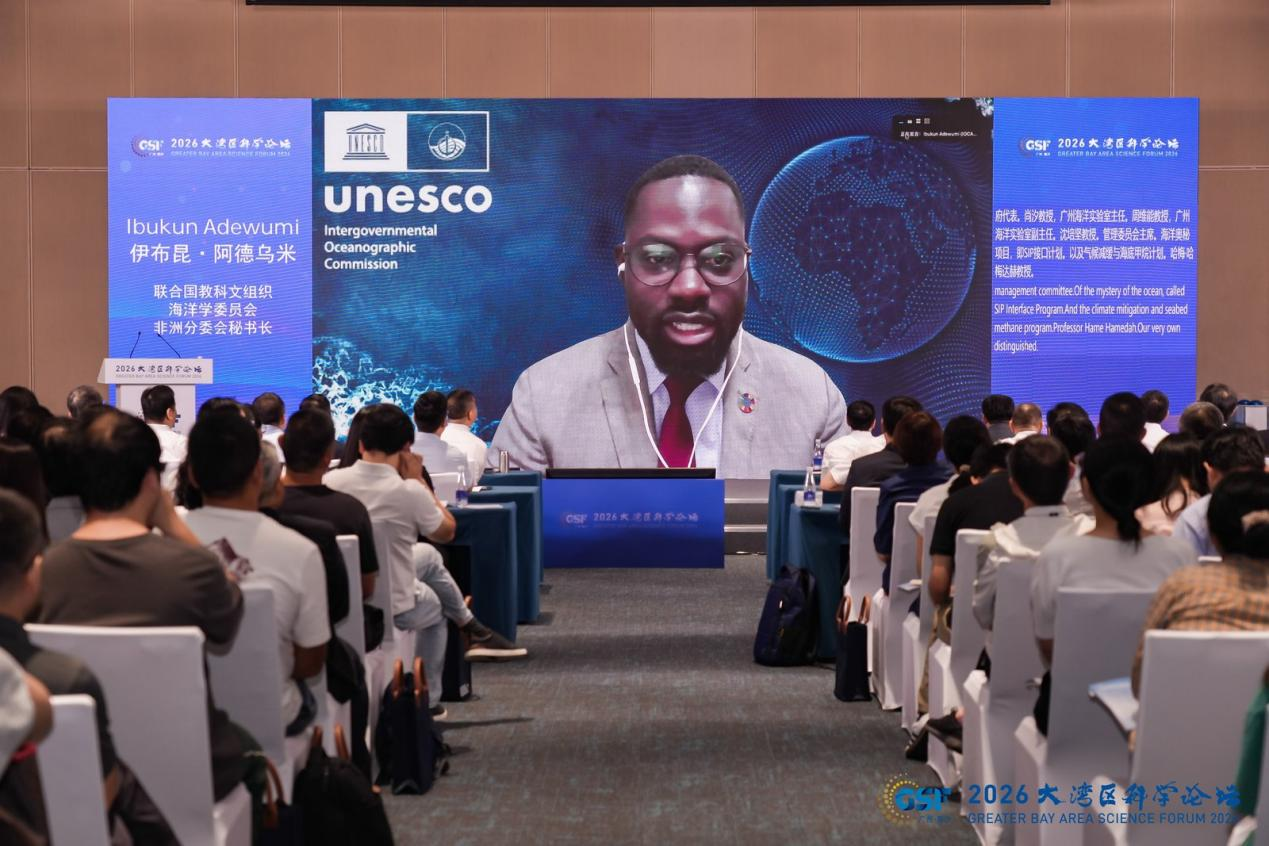
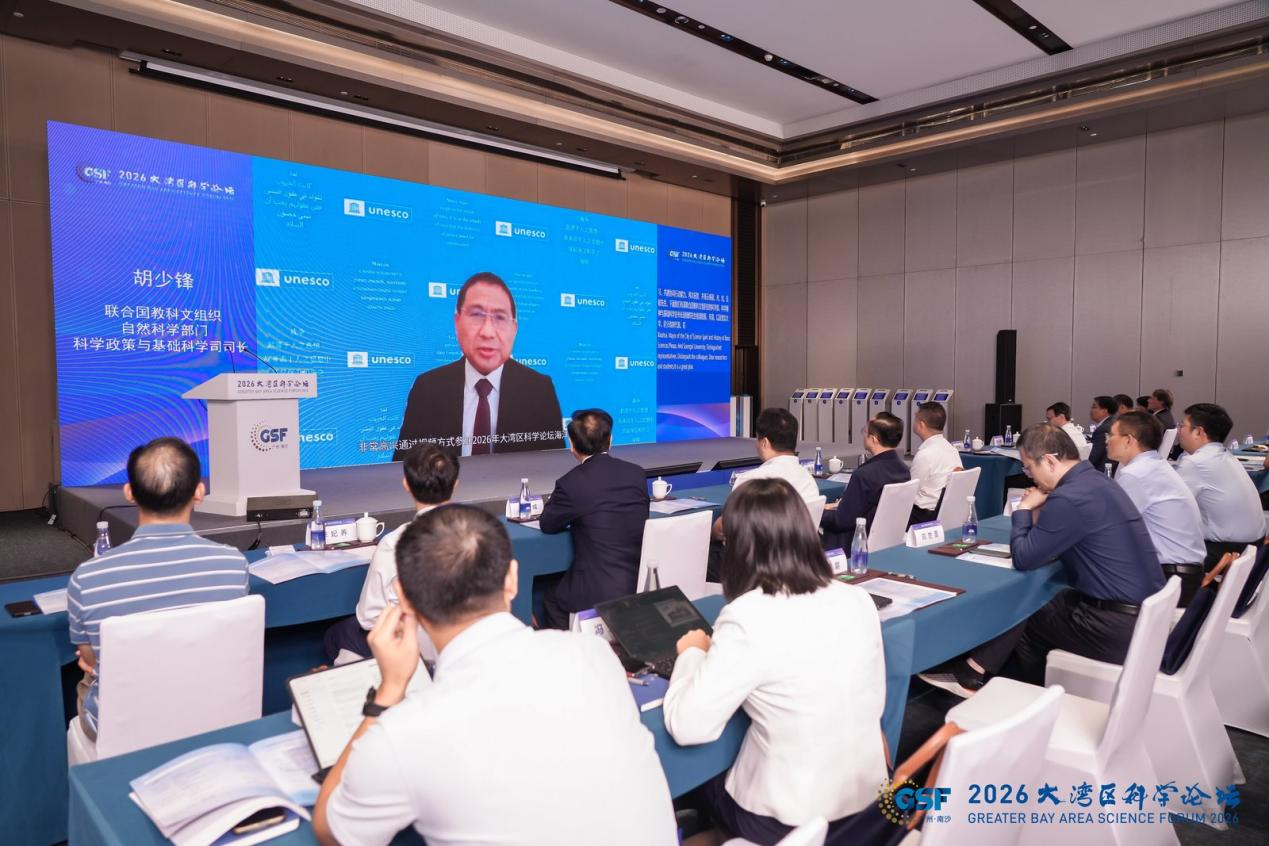
In addition, Zhang Si, Chair of Executive Committee of the CliMetS and MOCSI programmes, Academician of the Chinese Academy of Engineering, and Director of the Laboratory, attended the launch ceremony along with other guests, and jointly announced the official launch of the two UN-endorsed programmes.
Adhering to the guiding principles of "Co-design, co-delivery, and co-ownership", CliMetS and MOCSI have brought together over 220 scientists from more than 140 marine-related institutions across over 50 countries, establishing a global collaborative research network. Through international joint cruises, interdisciplinary collaborative research, regular international workshops, and training programs, CliMetS and MOCSI will promote South-South cooperation, advance unified observation technologies and shared data systems, reveal how oceanic methane cycling and cold seep ecosystems shape our climate, enhance the research capacity of developing countries in deep-sea cold seep science, and foster a more equitable, just, and inclusive new landscape for global marine scientific research and governance.
Looking ahead, Guangzhou Marine Laboratory will continue to foster global scientific collaboration and strengthen the connection between scientific research and marine policy. Through CliMetS and MOCSI, the Laboratory aims to advance scientific understanding, promote technological innovation, and enhance capacity building, thereby contributing Chinese expertise and collaborative efforts to addressing global climate change and advancing ocean sustainability.
Attachment download:
