To celebrate the 18th World Oceans Day and the 19th National Marine Awareness Day, and to further promote marine science education and raise public awareness of marine conservation, Southern Marine Science and Engineering Guangdong Laboratory (Guangzhou) (hereinafter referred to as the “Guangzhou Marine Laboratory”), in collaboration with the Nansha District Association for Science and Technology in Guangzhou, successfully hosted the “Explore the Ocean World, Protect Our Blue Home” Nansha Science Literacy Tour on June 6. The event was offered free of charge to families with children aged 9 to 12 and attracted a total of 50 families, who enjoyed an immersive experience showcasing the unique fascination and scientific wonders of the marine world.
Our Researchers introduced to the public two UN-endorsed programmes led and implemented by the Guangzhou Marine Laboratory: the Ocean Decade Programme “Global Climate Impacts of Methane Seeps (CliMetS)”, and the Science Decade Programme—“Mysteries of Ocean Cold Seep Interfaces (MOCSI).” Under the theme “The Rich and Diverse World of Deep-Sea Life,” the event highlighted deep-sea cold seep ecosystems and cutting-edge observation and detection technologies, lifting the veil on the mysteries of the deep sea and sparking young people’s interest in exploring the ocean.
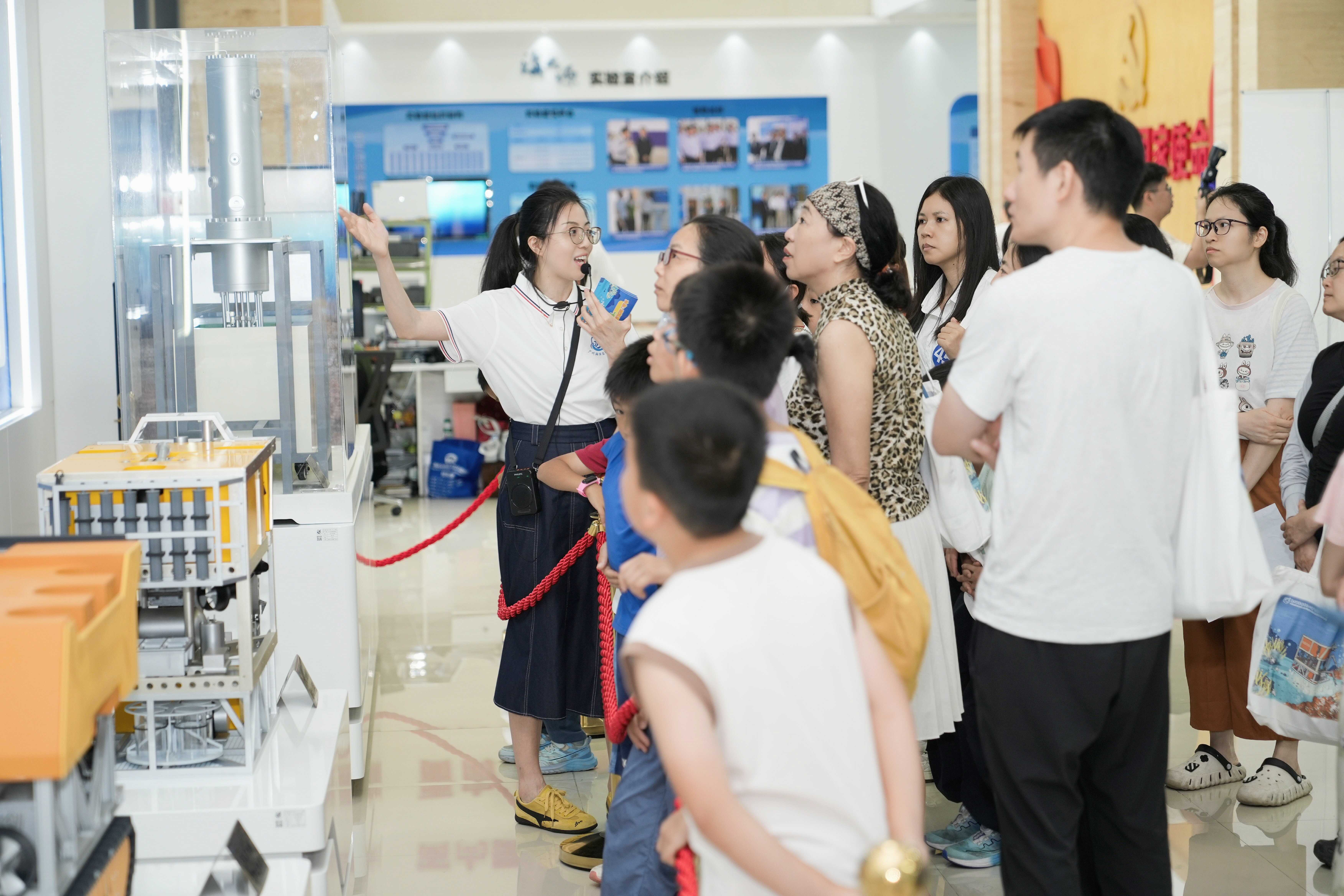
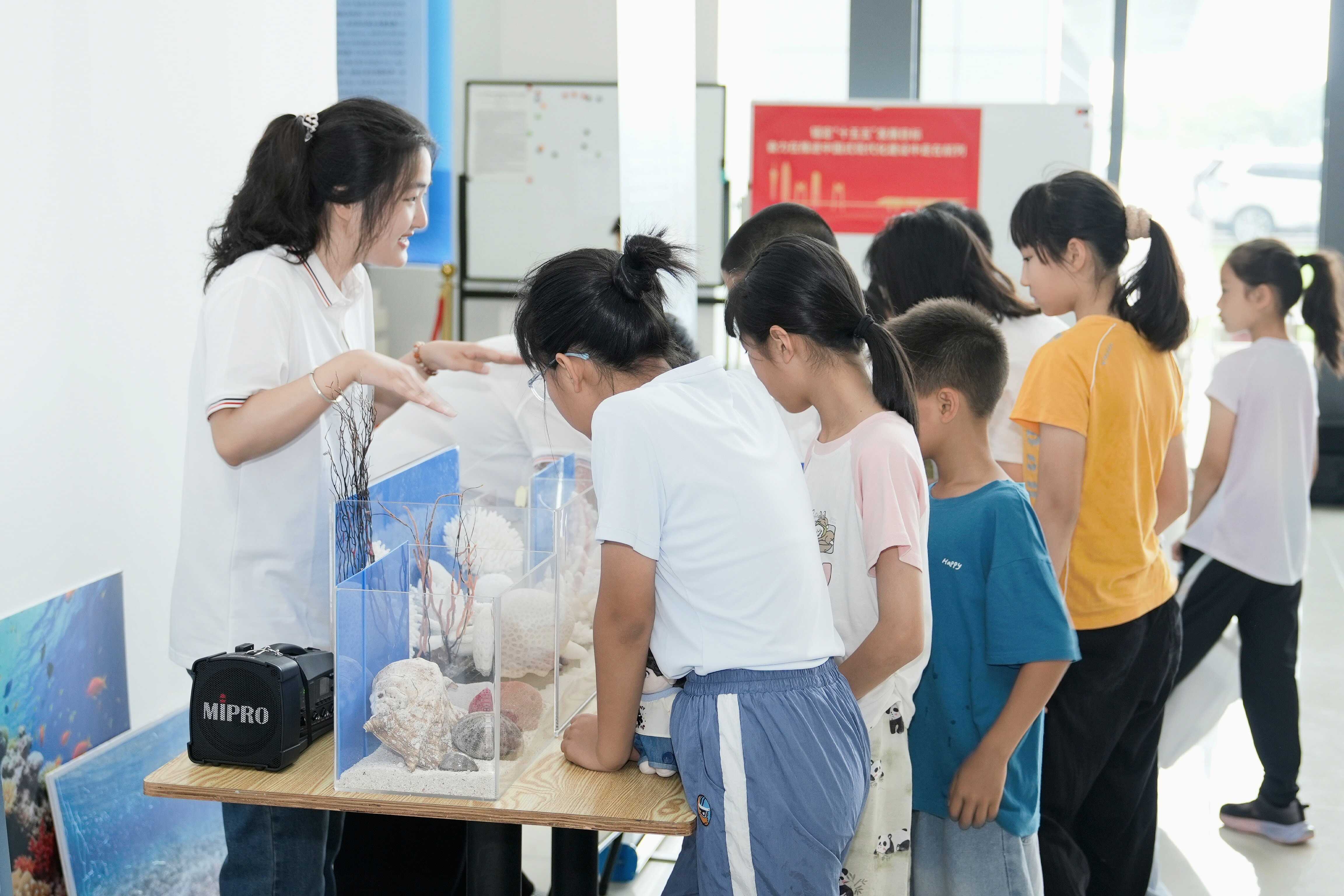
After that, participants visited the laboratory exhibition hall in small groups. The hall featured various types of marine observation and detection equipment, as well as specimens and models of cold-seep-specific organisms in neat display. A dedicated coral exhibition area provided a detailed overview of the current state of coral bleaching and the importance of coral conservation. Researchers offered on-site explanations and engaged with visitors through interactive Q&A interactions, offering the public a close-up view of our marine research achievements and gain a firsthand understanding of China’s technological capabilities in deep-sea exploration.
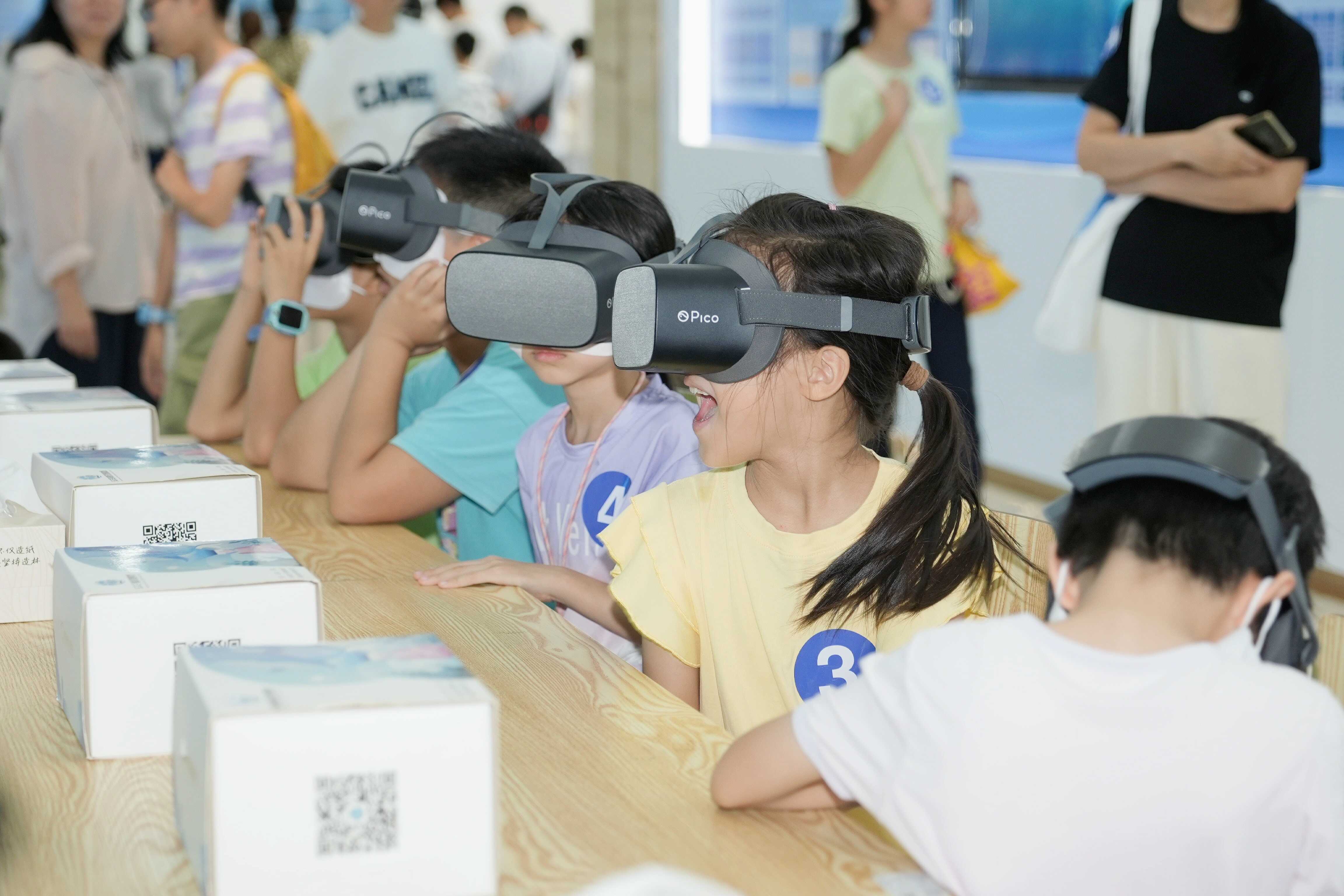
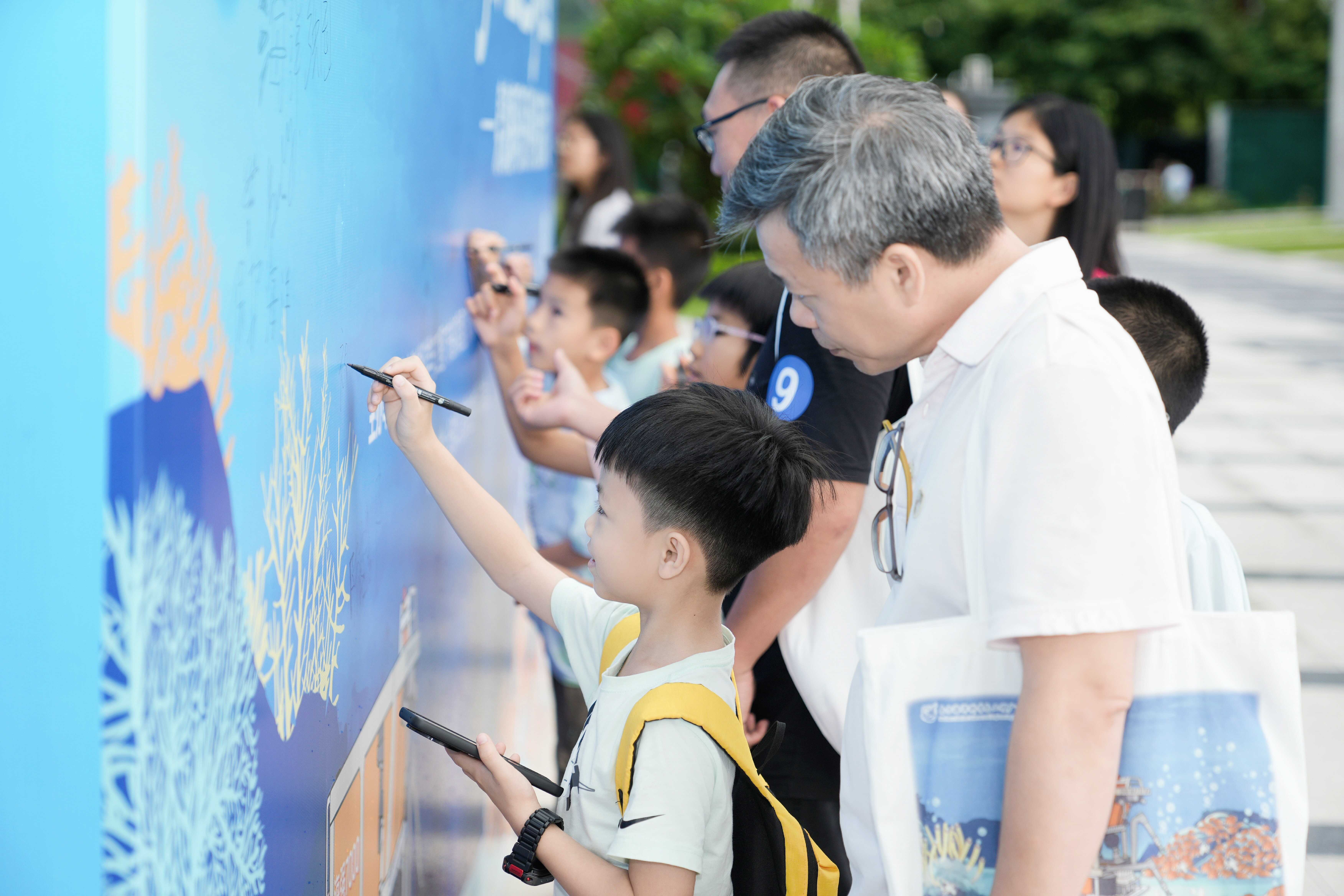
The marine VR experience and puzzle interaction session brought the event to its climax. Using VR technology, participants were able to immerse themselves in an underwater world and truly appreciate the beauty of marine ecology. Parents and children worked together to complete a deep-sea cold seep ecosystem puzzle, deepening their understanding of the deep sea through fun and interactive learning. Finally, all participants wrote their wishes and commitments on the Ocean Conservation Wall, pledging to put marine protection principles into action and expressing their shared commitment to safeguarding our blue home.
Looking ahead, the Guangzhou Marine Laboratory will continue to build on these two UN-endorsed Programmes by organizing a wide range of marine science outreach activities, bridging the scientific community and the public, and advancing the popularization of marine science knowledge.
Attachment download:
